


















???????? – ???? ??????? ???? ???? ????? – I
Q.1) ?????????? ??????????? ????? ?????????
- a) ?????????????
- b) ??????? ????????
- c) ????????? CoA
- d) ????????
Q.1) Which is formed during anaerobic respiration?
- a) Carbohydrate
- b) Ethyl alcohol
- b) Acetyl CoA
- d) Pyruvate
Solutions: ??????? ????????�????????????? ????????�???????????????????????, ???????? ????????????? ????? ?????????? ???? ?????????????????????? ???????? ?????? ????????.�????????????? ????????? ?????????? ???????? ????????????? ???????? ??????.�?????? ?????????? ?????????????????? ?????????? ???????????????? ????????????? ???????? ?????? ???????.�???????????? �????????????? ???????????????? ????????? ????????????? ????????????? �?????????? ?????????? ????????? ???? ?????????????.�????? ????????????? ?????? ????????????? ?????�????????? ?? ????????��???? ????????????????????????.

??? ???? ????????????? ???????????????? ????????? ???? ??????????????????? ????????????? ????????????? �??????????? ????????? ???? ?????????????
Ethanol fermentation, also known as alcohol fermentation, is a biological process that converts sugars such as glucose, fructose and sucrose into cellular energy, forming ethanol and carbon dioxide by-products. Because yeasts make this change in the absence of oxygen, alcohol fermentation is considered an anaerobic process.�Ethyl alcohol�Anaerobic breathing�Breathing is the name given to the exchange of air between living things and the environment.�Breathing that takes place in an anaerobic environment is anaerobic breathing.�That is the name given to the breath that takes place without the use of oxygen.�Plants engage in anaerobic respiration and convert glucose molecules into ethyl alcohol.�Carbon dioxide is emitted during this anaerobic respiration event.

Similarly, some bacteria engage in anaerobic respiration to convert glucose molecules into lactose.
Q.2) ????? ??????? ????? ????????????
- a) ???????????
- b) ???????????????????? ???????? (????????)
- c) ????????? ????
- d) ?????? ?????????????? ?????????????
Q.2) Kreb�s cycle takes place in
- a) chloroplast
- b) mitochondrial matrix
- c) stomata
- d) inner mitochondrial membrane
Solutions: ????? ???????�???????????????????? ?????????????? �(????????) ???????? ????????? ?????????????.
Grip rotation�The crab cycle takes place inside the mitochondria (stroma).
Q.3) ????????????????? ???? ???? ???????? ???????? ????????????????
- a) ATP ????? ADP ??? ?????? ?? ??
- b) CO2 ???? ?????????????? ????
- c) ???????????????? ????????????? ????
- d) ??? ???????????
Q.3) Oxygen is produced at what point during photosynthesis ?
- a) when ATP is converted to ADP
- b) when CO2 is fixed
- c) when H2O is splited
- d) All of these
Solutions: ????? ???????????? ????????????? ???? ??????? ??????????�??????????, ?????????, ?????? ?????????? ????? ???? ??????????????�??????? ??????????? ????? ??????????????? �??????? ??????? ??????? ??????? ????????? ?????????????? ???? ??????????? ??????????? ???????????????�?????????????????�?????? ???????.�?????? ?????????? ????????????????,�????????? ?? ???????? ????????? ????????? ???????????�?????????????? ?????????? ????? ?????????????????? ????????????????? ?????????????.�????? ????????�???????? ??????????�(???????????????) ??????????????????? ?????????????? ???????????????????.�????? ??????????????�????? ???????????? ????????????? ????�??????????? ???? ??????????????????? ????????????????????????.

Photosynthesis when water molecules split�Photosynthesis is the name given to an event in which self-sufficient organisms, such as algae, plants, certain bacteria with green pigments, etc., prepare their own food using sunlight.�In the presence of sunlight, photosynthesis takes place in the green of the leaves of plants with the help of carbon dioxide and water.�The resulting carbohydrate (glucose) is formed and converted into starch.�In this event oxygen gas is formed and expelled when the water molecules split.

Q.4) ????????????????? ???????? ??????? ??????? ????? ????????? __________?????
- a) ??????
- b) ????????
- c) ?????????
- d) ??????????
Q.4) The most common respiratory substrate that involves in oxidation is___________
- a) Protein
- b) Lipid
- c) Vitamin
- d) Glucose
Solutions: A compound which is oxidized during respiration is called respiratory substrate. Glucose is the most common respiratory substrate.
??????????? ???? ?????????????????? ??? ???? ????? ????????? ????? ????????????????. ?????????? ??????? ??????? ????? ????????? ?????.
Q.5)?????? ??????? ????? ????????????
- a) ???
- b) ????????
- c) ????????????? & ????????????????
- d) ????????????????
Q.5) Aerobic respiration occurs in______________
- a) Nucleus
- b) Ribosome
- c) Cytoplasm and Mitochondria
- d) Mitochondria
Solutions:
???????????????? ???? ??????????? ??????? ???????? ???????? ?????????? ??????????????? ??????? ?? ???????, ???? ??????? ??????? ???????????????.� ???? ??????? ??????????? ????????? ??????? ???????????? ????????????
�C6H12O6+6O2——->6CO2+6H2O+ATP�
In mitochondrial cell respiration, food is fully oxidized with the help of oxygen to convert carbon dioxide into water and energy. This respiration takes place in most plants and animals
�C6H12O6+6O2——->6CO2+6H2O+ATP�
Q.6) ?????? ??????? ?????????? ??????? ???????????? ??????? ????
- a) ??????????????
- b) ????? ???????
- c) ?????????
- d) ???????????
Q.6) The step common to both aerobic and anaerobic respiration is
- a) Glycolysis
- b) Kreb�s cycle
- c) Fermentation
- d) Photolysis
Solutions:
Q.7) ????????????? ???? ??????????????? ???????????????????? ?????????? ???????????????????? ???????? ?????????? ????? ????? ???????� ??????? ?????????????????
- a) ????? ???
- b) ?????? ???????
- c) ?????????? ???????
- d) ????????????
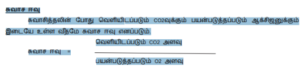
Q.7) Which of the following is the ratio of volume of carbon dioxide liberated and the volume of oxygen consumed during respiration?
- a) Respiratory quotient
- b) Aerobic respiration
- c) Anaerobic respiration
- d) Kreb�s cycle
Solutions:
Q.8) ?????????? ????????????????? ?????????? ????????? ???????
- a) C?H??O? + 6O? ? 6CO?+6H?O+2900 kJ energy
- b) C?H??O? + 6O? ? 4CO?+8H?O+2900 kJ energy
- c) C?H??O? + 4O? ? 6CO?+6H?O+2900 kJ energy
- d) C?H??O? + 6O? ? 6CO?+4H?O+2900 kJ energy
Q.8) The overall reaction of glucose oxidation is
- a) C?H??O? + 6O? ? 6CO?+6H?O+2900 kJ energy
- b) C?H??O? + 6O? ? 4CO?+8H?O+2900 kJ energy
- c) C?H??O? + 4O? ? 6CO?+6H?O+2900 kJ energy
- d) C?H??O? + 6O? ? 6CO?+4H?O+2900 kJ energy
Solutions:

Q.9) ????????? ??????????? ???????????:
- a) ?????? ?????? ??????? ????????????.
- b) ????????????? ???? ????????? ??????? ??????????.
- c) A ??????? B ???????? ????????.
- d) A ?????? B ???????? ???????? ????
Q.9) Consider the following statements:
- a) Respiration takes place both day and night.
- b) Photosynthesis occurs during day time only.
- c) Both A and B are correct.
- d) Neither A nor B are correct.
Solutions:
??????, ????????????? ???????? ?????????????, ???? ?????????? ???? ???????? ??????. ??????, ????????????? ??????????????, ????? ??????? ??????????, ???? ?????????? ???? ??????? ??????.
During the day,�photosynthesis�is dominant, so there is a net release of oxygen. At�night,�photosynthesis�stops but�respiration�continues, so there is a net consumption of oxygen.
Q.10)?????? ????????????? ????, ??? ????????? ?????????? ?????????????????? ???? ?????? ATP ???????????? ???????????????
- a) 4
- b) 23
- c) 36
- d) 17
Q.10)In Aerobic respiration, Oxidation of one molecule of glucose produces _______ ATP molecules.
- a) 4
- b) 23
- c) 36
- d) 17
Solutions:

Q.11) ?????? ??????????? ?????? ??????? ???????????????
- a) 2
- b) 3
- c) 4
- d) 5
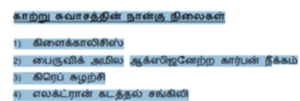
Q.11) How many stages are seen in Aerobic respiration?
- a) 2
- b) 3
- c) 4
- d) 5
Solutions:
Q.12) ???? ??????? ???????? ???? ??????? ???? ?????????????????????
- a) ??? ?????? ???????? ????????
- b) ???????? ????????
- c) ???????? ?????
- d) ????? ????
Q.12) Who was discovered Citric acid cycle in Plant Physiology?
- a) Sir Hans Adolf Krebs
- b) Melvin Calvin
- c) Michael Polanyi
- d) Thomas Kuhn
Solutions: 1937 ??? ??????? ???????? ????????????????? ?????????? ????? ??????? ???????? ??????? ????????? ???????? ??????? ???????? ???? ????????? ???????? ????? ???????????. ??????? ???????????? 1953 ??? ????? ????? ????? ?????????????? [6]. ???? ?????????????? ???????? ???? ??????? ?????? ??????? ???? ????????? ????????????????
In 1937, while at the University of Seafield, Anshu Adolf Creeps and William Arthur identified and announced the citric acid cycle. Krebs was awarded the 1953 Nobel Prize for this. This is why the citric acid cycle is also known as the crepe cycle
Q.13)??? ????????? ???????? ?????? ?????????? ?????????????????? ????????? ATP ?????????????? ????????? .
- a) 12
- b) 13
- c) 14
- d) 15
Q.13) The number of ATP molecules formed by complete oxidation of one molecule of pyruvic acid is
- a) 12
- b) 13
- c) 14
- d) 15
Solutions:
?????????? ???????????????? ???????? ???????????? 2 ???????????? ??????????????. ???????? ????????? ???????- CoA ??? 2 ????????????? ???????????????. ???????- CoA ??? ??????? ??????????? ???????? ??????????? ?????????.
- ??????????? ????????????????? ???????????????? 1 NADH (3 ATP) ????????? ??????????.
- ????????????????? ????????-?????? ???????? ???? 1 ???? (3 ?????) ??????????.
- ?????????-??? ???????? ??????? ???????????????? 1 ?????? / ????? ??????????????????.
- ???????? ?????? ????????? ??????? ???????????????? 1 FADH22 (2 ATP) ??????????????????.
- ?????? ??????????????? ?? ???????????????? 1 NADH (3 ATP) ??????????.
????, ?????? ????? 12 ?????
Glucose undergoes glycolysis to form 2 molecules of pyruvate. The pyruvate molecule is converted to 2 molecules of acetyl-CoA. Each molecule of acetyl-CoA enters the Krebs cycle.
- 1 NADH (3 ATP) molecule is formed when the isocitrate is converted to oxalosuccinate.
- 1 NADH (3 ATP) is formed during the conversion of ketoglutarate to succinyl-CoA.
- 1 GTP/ATP is produced when sunnicyl-CoA is converted to succinic acid.
- 1 FADH22 (2 ATP) is produced when succinc acid is converted to fumaric acid.
- 1 NADH (3 ATP) is formed when malate is converted to oxaloacetate.
So, the correct answer is 12 ATP
Q.14)?????? ????????? ???????????? NADH + H+ ?????????????????? ???? ??????????? ????????? ATP ?????????????? ?????????
- a) 3
- b) 4
- c) 6
- d) 8
Q.14) During oxidation of two molecules of cytosolic NADH + H+, number of ATP molecules produced in plants are
- a) 3
- b) 4
- c) 6
- d) 8
Solutions:
Q.15)?????????????? ??????? ??????? ??????????? ????????? ?????? ???????.
- a) ????????? ??????
- b) ???????? ??????
- c) ????????? CoA
- d) ???????? ??????
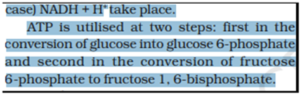
Q.15) The compound which links glycolysis and Krebs cycle is
- a) Succinic acid
- b) Pyruvic acid
- c) Acetyl CoA
- d) Citric acid
Solutions:

Q.16)??????: ??????????? ???????????? ???????????????????? ?????????? ???????? ??????????? ????????????.
??????: ????????? CoA ??????????????? ?? ????????? ??????? ?????????? ???????????????? ????? ???????.
- a) ?????? ??????? ?????? ???. ??????????? ?????? ???????? ??????.
- b) ?????? ??????? ?????? ??? ????? ??????????? ?????? ?????????? ??????
- c) ?????? ??? ????? ?????? ????
- d) ?????? ??????? ?????? ????
Q.16) Assertion (A): Oxidative phosphorylation takes place during the electron transport chain in mitochondria.
Reason (R): Succinyl CoA is phosphorylated into succinic acid by substrate phosphorylation.
- a) A and R is correct. R is correct explanation of A
- b) A and R is correct but R is not the correct explanation of A
- c) A is correct but R is wrong
- d) A and R is wrong.
Solutions:

Q.17)????????????? ???? ??????? ??????????? ???????? ???? ?????
- a) 3 C ???????? 2 C ???? ????????? ???????
- b) ????????? 1,6 ????????????? ??????? ?????? ????????? 3C ??????????? ?????????.
- c) ?????????????????? ????????? ???????
- d) ??? ?????????.
Q.17) Which of the following reaction is not involved in Krebs cycle.
- a) Shifting of phosphate from 3C to 2C
- b) Splitting of Fructose 1,6 bisphosphate of into two molecules 3C compounds.
- c) Dephosphorylation from the substrates
- d) All of these
Solutions: NONE
Q.18) ???????? ????????? ??????? _____??? ??????????
- a) ??????????
- b) ??????
- c) ????????????? ??????
- d) ?????
Q.18) Alcoholic fermentation commonly occurs in __
- a) Bacteria
- b) Fungi
- c) Vertebrate muscles
- d) Yeast
Solutions: ???????? ????????? , ???????? ????????? ??????? ????????????????, ??? ??? ???????? ???????????????, ??? ??????????, ????????? ??????? ???????? ????? ??????????? ?????????? ??????? ???????????, ???????? ??????? ??????? ?? ??????? ???? ????????????? ??????????????. ???????? ?????? ???????? ???????? ???? ????????? ?????????, ???????? ????????? ??? ?????????? ???????????? ??????????????.
Ethanol fermentation, also known as alcohol fermentation, is a biological process that converts sugars such as glucose, fructose and sucrose into cellular energy, forming ethanol and carbon dioxide by-products. Because yeasts make this change in the absence of oxygen, alcohol fermentation is considered an anaerobic process.
Q.19) ?????????
| ?????????? | ????? ??? |
| A.??????? ?????? | 1. 4.0 |
| B.?????????? ?????? | 2. 1.6 |
| C.?????????? ?????? | 3. 0.36 |
| D.????????? ?????? | 4. 0.71 |
- a) 4,3,2,1
- b) 3,2,1,4
- c) 2,3,1,4
- d) 4,2,1,3
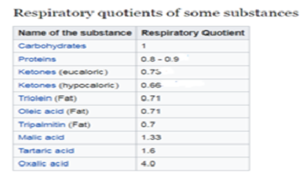
Q.19) Match the following
| Substance | Respiratory� Quotient |
| A. Oleic acid | 1. 4.0 |
| B. Palmitic acid | 2. 1.6 |
| C. Tartaric acid | 3. 0.36 |
| D. Oxalic acid | 4. 0.71 |
- a) 4,3,2,1
- b) 3,2,1,4
- c) 2,3,1,4
- d) 4,2,1,3
Solutions:
Q.20) ????? ??? ??????? ????????? ???? ????? ?????????????????????
- a) ????????? ??????? ?????????? ?????
- b) ????????? ??????? ?????????? ?????
- c) ???????? ??????? ?????????? ?????
- d) ??????? ??????? ?????????? ?????
Q.20) Which of the following apparatus used for determining Respiration Quotient?
- a) Ganong�s Respirometer
- b) Sconze�s Respirometer
- c) Sarris�s Respirometer
- d) Warrell�s Respirometer
Solutions:
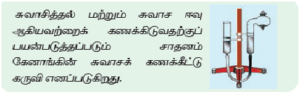
Q.21) ??????????? ??????? ?????????? ??????? ????? ??? ?????????? ????????????
- a) ????????????
- b) ????????????????
- c) ???????????????
- d) ??????????????????
Q.21) Red colour in various parts of plants is due to the presence of ____________
- a) Anthocyanin
- b) Anthocyanidins
- c) Asthrocyanin
- d) Asthrocynidins
Solutions:
Q.22) ????????????????? ????? ?????????? ??? ????
- a) ???????
- b) ??????
- c) ?????????
- d) ??????
Q.22) Which of the following fruit is called Climacteric Fruit?
- a) Apple
- b) Orange
- c) Lettuce
- d) Pomegranate
Solutions:
??????? ??? ????????????? ????????, ??? ??? ?????????????? ??? ?????? ????????, ??????? ?????????? ??????? ?????????? ????????????? ???????????? ??????????? ??????? ?????????????????????.
Apple is a fleshy fruit distinguished by a climacteric type of ripening, since most of the relevant physiological changes are triggered and governed by the action of ethylene.
Q.23) ??? ????????? FADH2 ?????????????????? ???? ______ATP ?????????????? ????? ???????
- a) ??????
- b) ??????
- c) ??????
- d) ?????
Q.23) Oxidation of one molecule FADH2 produces ________ molecules of ATP within a mitochondrion.
- a) Three
- b) Four
- c) Two
- d) One
Solutions:
NADH ??? ??? ??????????? ????????????? ATP ??? 3 ???????????????? ????????????? ??????? FADH2 ??? ??? ????????? ATP ??? 2 ???????????? ??????????????
Oxidation of one molecule of NADH gives rise to 3 molecules of ATP and that of one molecule of FADH2 produces 2 molecules of ATP
Q.24) ?????????? ??????????? ????? ?????????????
- a) ?????????????
- b) ????????????????
- c) ????????????? ??????? ????????????????
- d) ???????? ?????????
Q.24) Anaerobic Respiration occurs in __________
- a) Cytoplasm
- b) Mitochondria.
- c) Cytoplasm and mitochondria.
- d) None of above
Solutions: ?????????? ??????? (???????????? ??????? ????????? ????????) ?????????????? ?????? ????????? ????????????, ??? ????????? ??????? ??????????? ?????? ??????????? ??????????? ???????????????????? ????????????.
Anaerobic respiration�(both glycolysis and fermentation)�takes place�in the fluid portion of the cytoplasm whereas the bulk of the energy yield of�aerobic respiration takes place�in the mitochondria.
Q.25)?????????????????? ???????????? ???? ?
a)????
b)????????
c)????????
d)?????????
Q.25)Who Discovered Mitochondria?
- a) Sock
- b) Kelvin
- c) Melvin
- d) Colicker
Solutions:
Mitochondria, often referred to as the �powerhouses of the cell�, were first discovered in 1857 by physiologist Albert von Kolliker, and later coined �bioblasts� (life germs) by Richard Altman in 1886.
????????????????, ???????????? “???????? ?????????” ????? ???????????????????, ??? 1857 ??? ??????? ??????? ??????? ???????? ???? ????????? ????????????????????, ??????? 1886 ??? ????????? ??????????? “??????????????” (????? ?????????) ????????????????.
Q.26) ????????????? ?????? ??????????? ????? ?????
- a) ?????????
- b) ?????
- c) ????????? ?????????
- d) ????????? ??????????
Q.26) In succulent Xerophytes the Respiratory Quotient?
- a) Zero
- b) Unity
- c) Less than one
- d) More than one
Solutions:
??????? ?? ??????????? ?????? ??????? ??????????? ??????????? ?????????? ???????? ??????? ???� (RQ) ?????? ????? ??????? ?? ????????????????. ????? ??????? ??????????? ???? ????????????????? ??? ????????? ??????? ?????????. ?.??. ???????????????????????? RQ 1, ????????? 0.9 ??????? ??????????????? 0.7 ?????. ??? ????????????? ???????? ?????? ?????????? ??????????????? ???? ????????????, ???? ??????? ??????? ?? ??????? ?????????? ???????? ??????????. ??? ??????? ?? ??????? ?????????? ?????? ?????????? ??????????????????? ???????????. ???? ???????? ????? ??????????????? RQ ????????? ?????????? ?????????.
The ratio of the volume of carbon dioxide evolved to the volume of oxygen consumed in respiration is called the respiratory quotient (RQ) or respiratory ratio. The respiratory�ratio depends upon the type of substrate used during respiration. e.g RQ for carbohydrates is 1, for proteins is�0.9 and for fats is� 0.7. Opuntia which is a succulent the respiration takes place at night when stomata are open which result in the formation of oxygen without evolving carbon dioxide. This results in incomplete oxidation of food without evolving carbon dioxide.�Thus the RQ is always zero in succulents like opuntia.
Q.27) ????????? ???? ????????? ????? ????? ???? ?????? ???????
- a) GTP ??????? UTP
- b) ADP ??????? GTP
- c) ADP ??????? UTP
- d) GTP ???????
Q.27) Which of the following compounds have higher energy like ATP?
- a) GTP and UTP
- b) ADP and GTP
- c) ADP and UTP
- d) GTP only
Solutions:None
Q.28) ????????? ??????? ??????????????????? ?????????? ??????????????? ????????? ??????? ?????????????????
- a) ????????????????????
- b) ???????????????
- c) ?????????????????
- d) ??????????????
Q.28) The synthesis of glucose from proteins and lipids are called _____________
- a) Gluconeogenesis
- b) Gluconides
- c) Glucosites
- d) Glucolysis
Solutions:
Q.29) ATP???? ???? ??????????? ?????
- a) Adanine Tri Phosphorus
- b) Adenosine Tri Phosphate
- c) Adenosine Tri Phosphorus
- d) Adanine Tri Phosphate
Q.29) What is the full form of ATP?
- a) Adanine Tri Phosphorus
- b) Adenosine Tri Phosphate
- c) Adenosine Tri Phosphorus
- d) Adanine Tri Phosphate
Solutions: Adenosine triphosphate, also known as ATP, is a molecule that carries energy within cells. It is the main energy currency of the cell, and it is an end product of the processes of photophosphorylation (adding a phosphate group to a molecule using energy from light), cellular respiration, and fermentation. All living things use ATP. In addition to being used as an energy source, it is also used in signal transduction pathways for cell communication and is incorporated into deoxyribonucleic acid (DNA) during DNA synthesis.
Q.30)???????????????????? ?????????? ??????? ???? ?????????? ????? ???? ?
a)??????
b)ATP
c)?????????
d)??????
Q.30)What is the name of the racket-shaped particles found in the mitochondria?
- a) Boorin
- b) ATP
- c) Oxysome
- d) Grana
Solutions: ???????????????????? ???? ???????????? ?? ??????? ???????? ???????? ???? ???????? ?????????????? ??? ???????????? ?? ?????????????????. ??? ATP ???????????? ???????????????
Many microscopic tennis racket-shaped particles are found in the chrysanthemum in the mitochondria, called oxysomes.These participate in the production of ATP
| 1 | b | 11 | c | 21 | a |
| 2 | b | 12 | a | 22 | a |
| 3 | c | 13 | a | 23 | c |
| 4 | d | 14 | c | 24 | a |
| 5 | c | 15 | c | 25 | d |
| 6 | a | 16 | a | 26 | a |
| 7 | a | 17 | d | 27 | a |
| 8 | c | 18 | d | 28 | a |
| 9 | c | 19 | a | 29 | b |
| 10 | c | 20 | a | 30 | c |